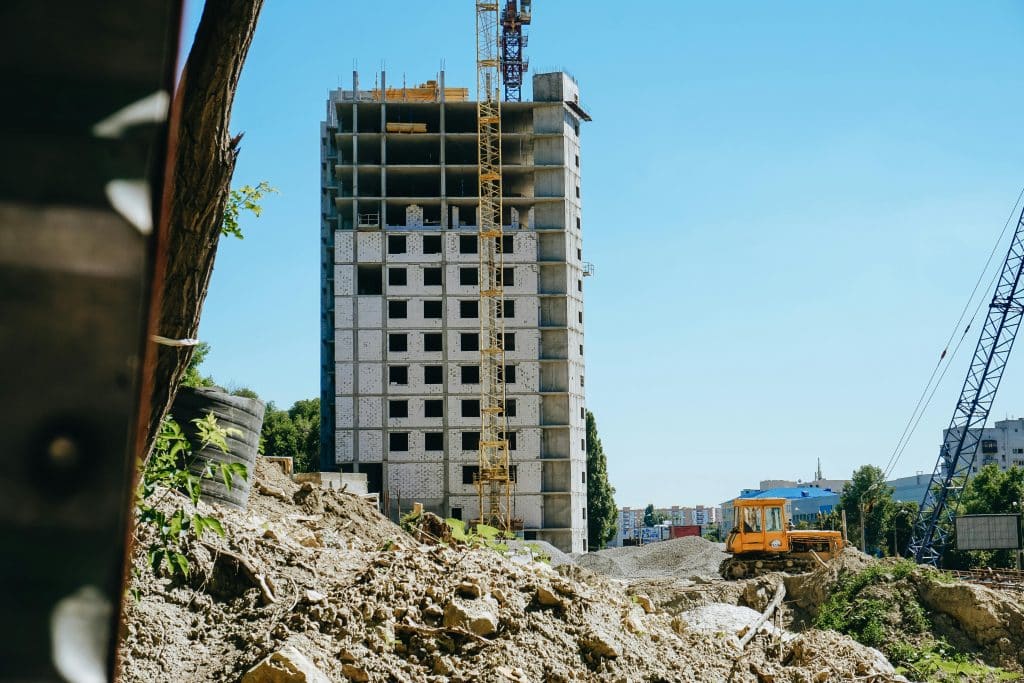

Elemental estimating involves breaking down a construction project into various components or elements, each representing a significant part of the overall structure. Understanding these typical elements is crucial for accurate and comprehensive cost estimation.
Common Elements in Elemental Estimating
- Substructure:
- Foundations: Includes all types of foundations such as strip, pad, raft, and pile foundations.
- Basement excavation and construction: Covers excavation, waterproofing, and construction of basement walls and floors.
- Superstructure:
- Frame: Comprises the building’s structural frame, including columns, beams, and bracing.
- Upper Floors: Includes all floors above the ground level, including concrete slabs, timber floors, and steel decks.
- Roof: Covers all roofing elements such as trusses, rafters, decking, insulation, and waterproofing membranes.
- External Envelope:
- External Walls: Includes brickwork, blockwork, cladding systems, curtain walls, and insulation.
- Windows and External Doors: Covers all types of windows and external doors, including glazing, frames, and hardware.
- Internal Construction:
- Internal Walls and Partitions: Includes all types of internal walls such as stud partitions, block walls, and demountable partitions.
- Internal Doors: Covers all internal doors, including frames, linings, and ironmongery.
- Finishes:
- Floor Finishes: Includes all floor finishes such as tiling, carpeting, vinyl, and timber flooring.
- Wall Finishes: Covers plastering, painting, wallpapering, and tiling.
- Ceiling Finishes: Includes suspended ceilings, plasterboard ceilings, and any decorative finishes.
- Fittings, Furnishings, and Equipment (FF&E):
- Built-in Furniture: Includes kitchen units, wardrobes, and bespoke furniture.
- Specialist Equipment: Covers items such as laboratory equipment, medical equipment, and any project-specific installations.
- Building Services:
- Mechanical Services: Includes heating, ventilation, and air conditioning (HVAC) systems, plumbing, and drainage.
- Electrical Services: Covers electrical installations, lighting, power supply, and communication systems.
- Fire Protection: Includes fire detection and alarm systems, sprinkler systems, and fire extinguishers.
- External Works:
- Landscaping: Covers hard and soft landscaping, including pathways, planting, and irrigation systems.
- Site Utilities: Includes external drainage, water supply, gas supply, and electrical connections.
- External Structures: Covers garages, sheds, fencing, gates, and retaining walls.
Importance of Understanding Typical Elements
- Comprehensive Costing: Breaking down the project into these typical elements ensures that all aspects are considered, providing a comprehensive and accurate cost estimate.
- Benchmarking and Analysis: Understanding the typical elements allows for effective benchmarking against similar projects and detailed cost analysis, aiding in better decision-making.
- Risk Management: Identifying and estimating each element separately helps in recognising potential risks and cost overruns early in the project.
Conclusion
Understanding the typical elements for elemental estimates is essential for Quantity Surveyors to provide accurate and detailed cost estimates. Each element represents a critical component of the project, and thorough knowledge of these elements ensures that no aspect is overlooked.